
How to Buy Cape Cod Real Estate from Out of State—7 Things I've Learned in 26 Years
After helping 200+ out-of-state buyers purchase Cape Cod properties from California to Connecticut, from Texas to Toronto, I've learned that successful remote real estate transactions don't happen by accident—they result from strategic preparation, local expertise, and understanding the specific challenges that derail buyers who treat Cape Cod like any other market.
Why This Guide Matters:
What You'll Learn:
My Experience:
Source: Deborah Camuso, Cape Cod Real Estate Broker, January 29, 2026
As of January 29, 2026, Deborah Camuso has guided out-of-state buyers through Cape Cod real estate purchases from every U.S. region and several international locations. These transactions—representing millions in closed volume across all 15 Cape Cod towns—reveal consistent patterns separating successful remote purchases from those that collapse during inspection, financing, or closing.
Here's what convinced me that out-of-state Cape Cod buying demands specialized expertise: the standard real estate playbook fails when buyers can't tour properties multiple times, when they're unfamiliar with Cape-specific regulations (Title 5 septic, wetland restrictions, flood zones), when they don't understand town-by-town market dynamics, and when they're coordinating inspections, appraisals, and closing logistics from hundreds or thousands of miles away.
The 200+ out-of-state transactions I've closed taught me that preparation matters more than proximity. Buyers who invest time understanding Cape Cod's unique market characteristics, who build proper local teams before making offers, and who approach remote purchases with realistic expectations consistently achieve better outcomes than those who assume Cape Cod operates like their home markets or who rush into purchases hoping everything "just works out."
Thing #1: Pre-Approval Requirements Differ for Out-of-State Buyers
What I've Learned After 26 Years:
Lenders scrutinize out-of-state buyers differently than local purchasers, particularly when buyers plan second-home or investment property purchases rather than primary residence relocations. These enhanced requirements catch unprepared buyers by surprise—often during critical offer negotiations when delays cost deals.
The Out-of-State Lending Reality:
Traditional lenders impose stricter qualification standards for non-primary-residence purchases. Where local primary-residence buyers might qualify with 5% down payment and debt-to-income ratios up to 45%, out-of-state second-home buyers typically face 10% to 20% minimum down payments, maximum 43% debt-to-income ratios, and higher interest rates (0.25% to 0.75% premiums) reflecting perceived higher default risk.
Why This Matters for Cape Cod Purchases:
Cape Cod's median single-family home prices range from $600,000 to $1,200,000+ depending on town and property type. At these price points, lending qualification differences create significant financial impact. A $900,000 Cape Cod purchase with 10% down versus 20% down means $90,000 additional cash requirement—money many buyers haven't budgeted because they assumed standard 10% down rules apply universally.
Reserve Requirements Surprise Out-of-State Buyers:
Beyond down payment differences, lenders require out-of-state second-home buyers to maintain 6 to 12 months of reserves (combined mortgage payments for all properties, property taxes, insurance, HOA fees) in liquid accounts post-closing. For buyers purchasing $900,000 Cape properties while maintaining $400,000 primary residences elsewhere, reserve requirements can demand $50,000 to $75,000 in accessible cash beyond down payment and closing costs.
Self-Employed and Commission-Income Complications:
Out-of-state buyers earning self-employment income or commission-based compensation face enhanced documentation requirements. Where local W-2 employees provide two recent pay stubs and last year's W-2, self-employed out-of-state buyers submit two years of complete business and personal tax returns, year-to-date profit/loss statements, and detailed explanations for any income fluctuations. Lenders calculate qualifying income conservatively—often averaging two years of net income after business deductions, which penalizes buyers who maximize tax write-offs.
What I Tell Out-of-State Buyers:
Before touring Cape Cod properties or making offers, secure pre-approval from lenders experienced in out-of-state and second-home transactions. Generic pre-approval letters from local credit unions that don't understand non-owner-occupied lending requirements create false confidence that collapses when underwriting reveals qualification gaps. I connect serious out-of-state buyers with Cape Cod lenders who understand these nuances before we schedule property tours—preventing heartbreak when dream homes slip away due to financing surprises.
Strategic Pre-Approval Timeline:
Contact lenders 60 to 90 days before planned Cape Cod house hunting. This timeline allows addressing credit issues, accumulating additional reserves if needed, or adjusting target price ranges based on actual qualification rather than assumptions. Buyers who secure robust pre-approval before engaging me waste zero time on properties they cannot purchase, focus energy on realistic options, and compete effectively when making offers against local buyers or better-prepared out-of-state purchasers.
Thing #2: Remote Inspection Strategies That Protect Your Investment
What I've Learned After 26 Years:
The single biggest risk out-of-state buyers face is inadequate property inspection due to distance constraints, rushed timelines, or misplaced trust that "everything looks fine in photos." I've watched buyers lose tens of thousands fixing issues they could have discovered—or negotiated—during proper inspection periods, all because they didn't understand how to manage remote inspection logistics effectively.
Why Standard Inspection Approaches Fail for Remote Buyers:
Local buyers typically attend inspections personally, ask questions in real-time, observe inspector concerns firsthand, and develop intuitive sense of property condition beyond written reports. Out-of-state buyers reading 40-page inspection reports via email lack this contextual understanding—they see "roof shows moderate wear" without comprehending whether that means 2 years or 10 years remaining useful life, whether it's cosmetic or functional concern, whether it's typical for Cape Cod or unusual condition requiring immediate attention.
The Strategic Remote Inspection Process:
Deborah Camuso developed a remote inspection protocol after watching too many out-of-state transactions collapse or result in buyer remorse from undiscovered issues. This process assumes buyers cannot attend inspections personally (though personal attendance is always preferable when possible):
Step 1: Hire Top-Tier Inspectors, Not Budget Options
Cape Cod has dozens of home inspectors ranging from $400 budget inspections to $800+ comprehensive evaluations. Out-of-state buyers compensating for inability to attend personally should engage premium inspectors who provide detailed photo documentation, video walkthroughs, and phone consultations explaining findings in plain language. The $300 to $400 cost difference between budget and premium inspection represents trivial expense on $800,000+ purchases but dramatically improves remote buyer understanding of property condition.
Step 2: Require Video Documentation
Standard practice includes still photos in inspection reports. I require inspectors working for my out-of-state buyers to provide video documentation of any significant findings—foundation cracks, roof conditions, mechanical systems, moisture concerns. Video provides context that still photos cannot convey, helping remote buyers understand severity and urgency of issues without being physically present.
Step 3: Schedule Inspector Phone Consultation
Inspection reports deliver factual findings but often lack interpretive guidance buyers need for decision-making. I schedule 30 to 45-minute phone consultations between out-of-state buyers and inspectors post-inspection, where buyers ask questions, inspectors explain priorities, and everyone discusses which findings matter most for negotiation or budget planning. This consultation transforms inspection from anxiety-producing document into actionable decision-making tool.
Step 4: Engage Specialists for Major Systems
General home inspections identify potential issues but don't provide definitive assessments of specialized systems. For any Cape Cod property where inspection raises concerns about septic (Title 5 compliance), well water quality/quantity, structural integrity, or expensive mechanical systems, I coordinate specialist evaluations before negotiation or closing. The $500 to $1,500 cost for specialist inspections prevents $20,000 to $50,000+ surprises post-purchase when buyers discover general inspection warnings represented serious deficiencies requiring immediate repair.
The Title 5 Septic Reality for Out-of-State Buyers:
Massachusetts requires Title 5 septic inspections for property transfers. However, passing Title 5 doesn't guarantee septic adequacy—it confirms minimum legal compliance, not optimal function or remaining useful life. I educate out-of-state buyers that "passed Title 5" means different things for 40-year-old systems versus 5-year-old systems, for properties with regular pumping maintenance versus those with spotty records, for systems sized appropriately versus those undersized for current bedroom count.
What I Tell Out-of-State Buyers:
Budget 1.5% to 2% of purchase price for comprehensive inspection process including general inspection, specialist evaluations, and proper documentation for remote review. On $900,000 Cape Cod purchase, this means $13,500 to $18,000 for inspection, Title 5, well testing, structural engineering if needed, and pest inspection. This investment protects against catastrophic post-purchase surprises and provides negotiation leverage when issues surface. Buyers who cheap out on inspections to save $1,000 risk losing $30,000+ fixing undiscovered problems they could have negotiated with sellers.
Thing #3: Town Selection Without Visiting All 15 Cape Cod Communities
What I've Learned After 26 Years:
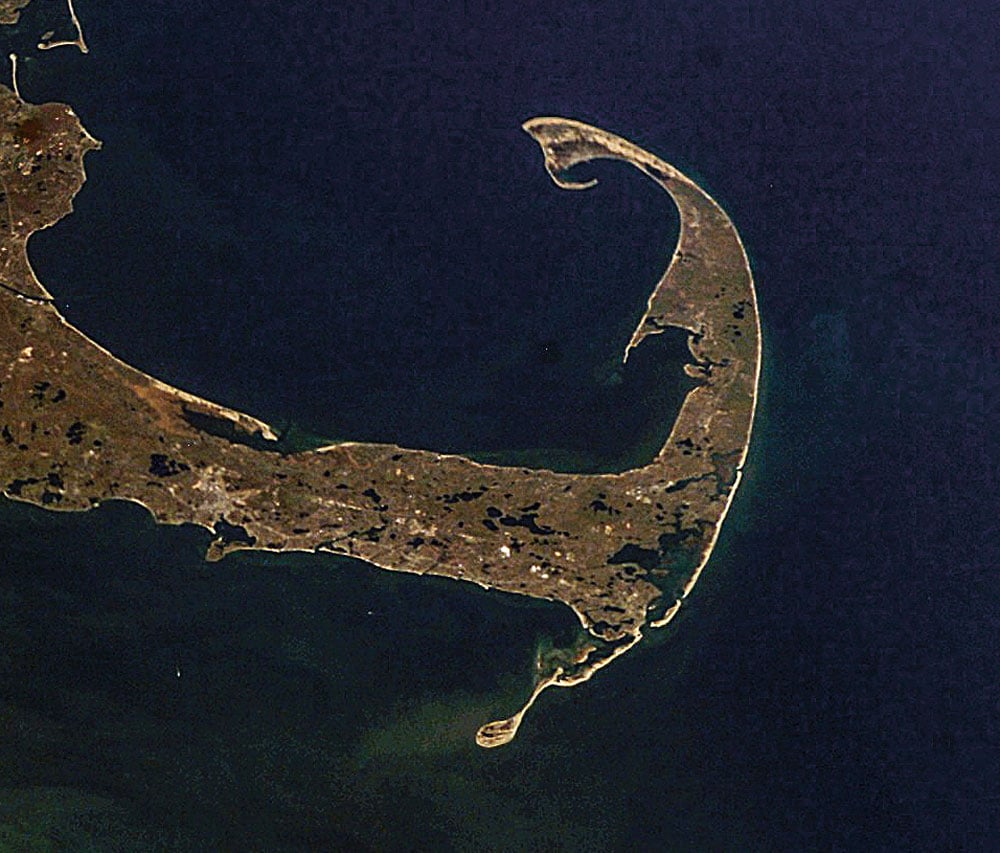
Cape Cod's 15 towns exhibit dramatic differences in character, pricing, amenities, regulations, and lifestyle—but most out-of-state buyers lack context to evaluate these distinctions without visiting personally. Attempting to tour all 15 towns during limited Cape Cod trips wastes time and creates confusion rather than clarity. Strategic town selection before house hunting accelerates the process and prevents buyers from purchasing in communities mismatched to their priorities.
Why Cape Cod Isn't One Homogeneous Market:
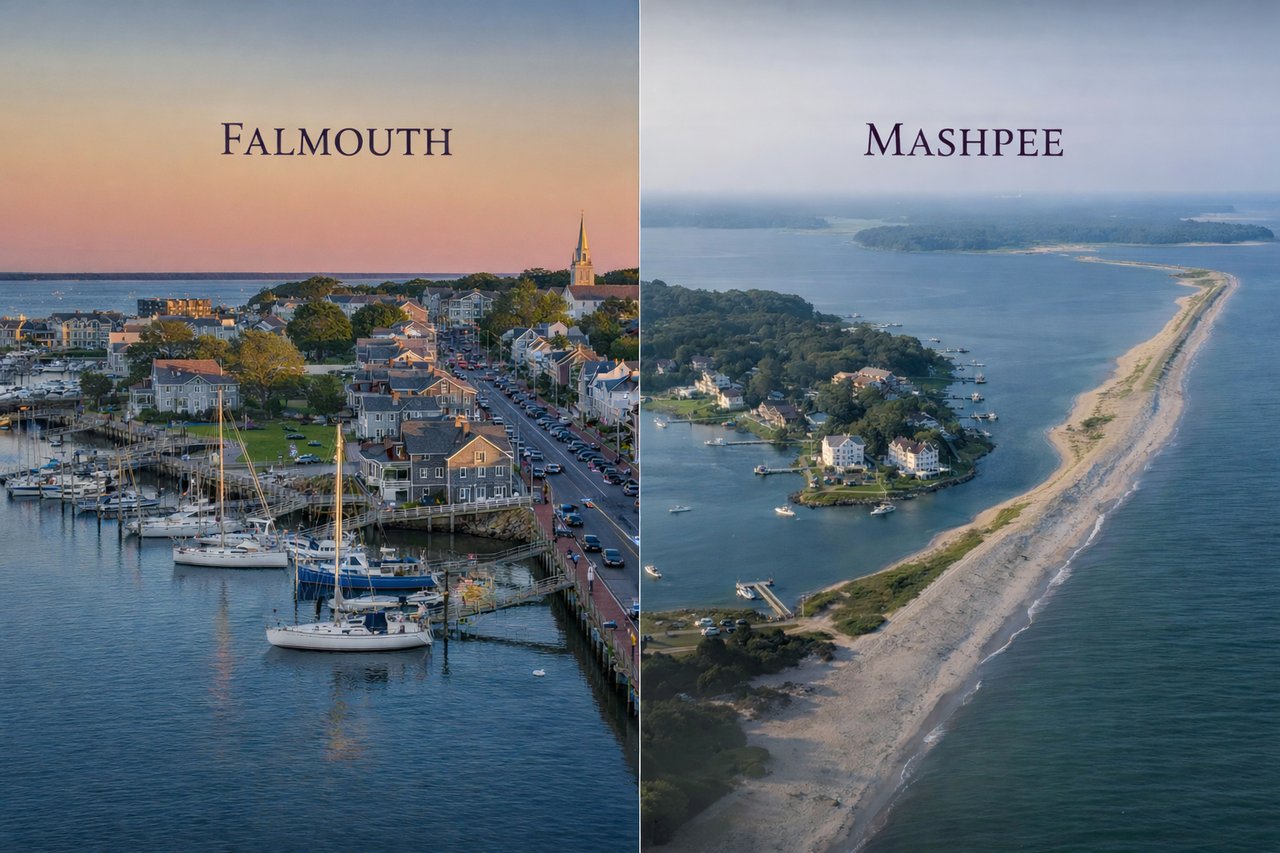
Out-of-state buyers often assume "Cape Cod" represents a single market with minor variations between towns, similar to how suburban communities surrounding major cities offer relatively comparable amenities and character. This assumption fails dramatically on Cape Cod, where towns like Provincetown (artist-focused, LGBTQ-friendly, tourist-intensive) differ radically from Chatham (traditional, luxury-focused, family-oriented) or Mashpee (diverse, growing, more affordable) despite all sitting within 40 miles of each other.
The Strategic Town Selection Framework:
Rather than random property tours across all 15 towns hoping something "feels right," I guide out-of-state buyers through systematic town selection matching their priorities, budgets, and lifestyle preferences before scheduling any Cape Cod visits:
Priority #1: Budget Determines Town Universe
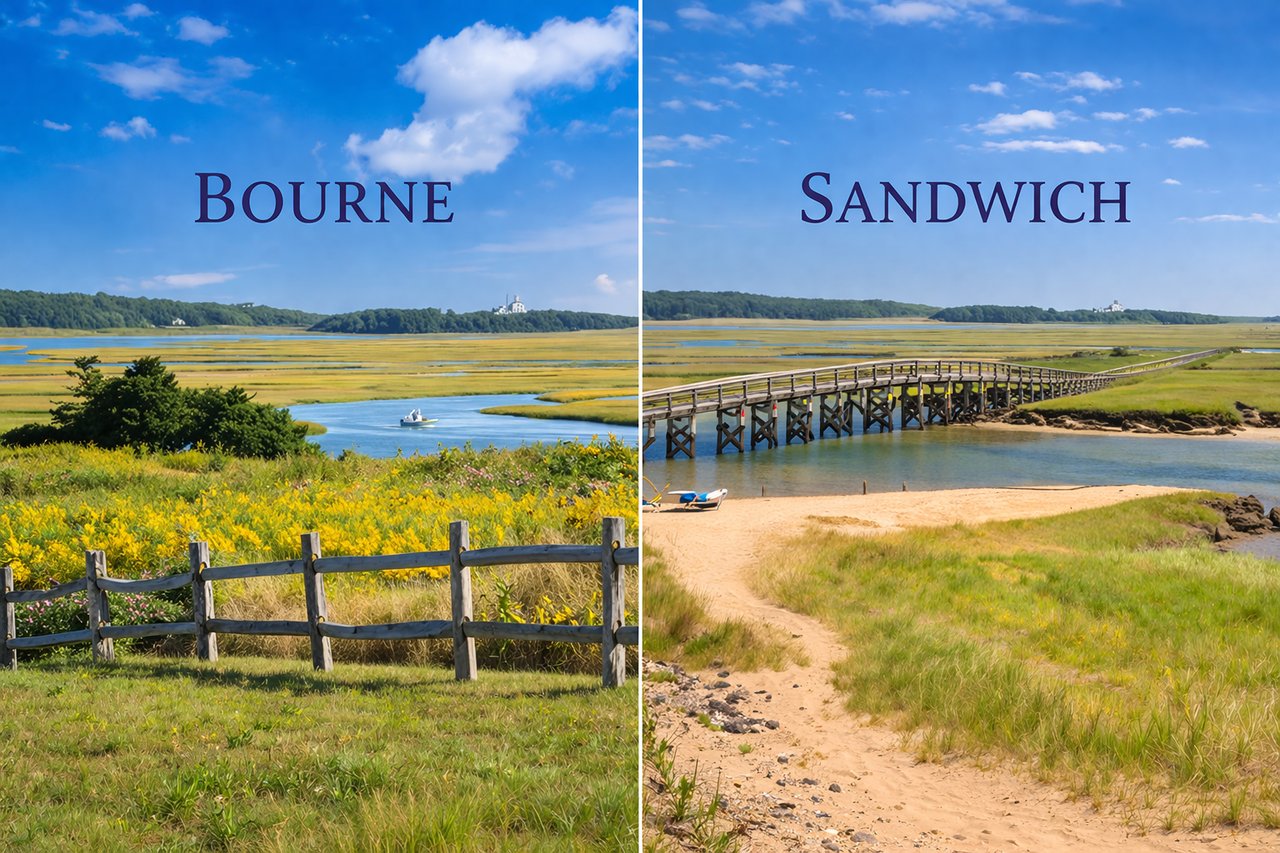
Cape Cod median single-family home prices vary dramatically by town—from approximately $600,000 in towns like Bourne or Mashpee to $1.5 million+ in Chatham or Nantucket-adjacent markets. Out-of-state buyers should first establish realistic budget including down payment, maximum comfortable monthly payment, and reserve requirements, then identify which Cape towns offer adequate inventory within that range. No point touring Chatham or Provincetown if your $700,000 budget limits you to Bourne, Dennis, or Yarmouth—different market segments entirely.
Priority #2: Waterfront vs. Inland Dramatically Affects Town Selection
Buyers prioritizing waterfront access (oceanfront, bayside, pond-front) face dramatically different town options than those comfortable with inland properties. Eastham offers National Seashore access at $815,000 median but limited direct waterfront inventory. Wellfleet provides more waterfront options but at $1 million+ medians. Dennis and Yarmouth offer affordable waterfront alternatives but with different character than Outer Cape towns. Understanding waterfront priorities narrows town selection immediately.
Priority #3: Year-Round vs. Summer-Only Infrastructure
Out-of-state buyers planning full-time residence or extended off-season use should prioritize towns with robust year-round services, communities, and amenities—Barnstable, Falmouth, Dennis, Yarmouth. Those purchasing pure vacation homes for summer use can consider more seasonal towns like Wellfleet, Truro, or Provincetown where off-season businesses close and populations drop dramatically. This distinction matters enormously for lifestyle satisfaction but most out-of-state buyers don't consider it until after purchase.
Priority #4: Proximity to Mainland vs. Outer Cape Lifestyle
Towns near the Cape Cod Canal (Bourne, Sandwich, Falmouth) offer 90-minute drives to Boston and easy mainland access for medical, shopping, or entertainment needs. Mid-Cape towns (Barnstable, Yarmouth, Dennis) balance Cape character with convenience. Outer Cape towns (Eastham, Wellfleet, Truro, Provincetown) require 2+ hour Boston drives and commit buyers to Cape-focused lifestyle with limited mainland trips. Out-of-state buyers should honestly assess whether they want Cape convenience or Cape immersion—both are valid but represent different town selection priorities.
Priority #5: Property Tax and Cost-of-Living Variations
Effective property tax rates vary significantly across Cape towns due to differences in assessed values, tax rates, and municipal services. A $900,000 home might generate $9,000 annual property tax in one town versus $12,000 in another—$3,000 annual difference that compounds over decades of ownership. Out-of-state buyers should factor total cost of ownership (purchase price, property tax, insurance, maintenance) rather than focusing exclusively on purchase price when evaluating town options.
My Town Selection Process for Out-of-State Buyers:
Before scheduling Cape Cod property tours, I conduct 60 to 90-minute consultation calls with out-of-state buyers covering priorities, budget, lifestyle preferences, and expectations. Based on these discussions, I recommend 2 to 4 specific Cape towns matching their criteria, explain the tradeoffs between options, and provide comparable sales data and current inventory for each recommended town. This narrows focus from 15 towns to manageable subset, allowing productive property tours during limited Cape visits rather than overwhelming buyers with options across communities that don't match their needs.
What I Tell Out-of-State Buyers:
Invest time in strategic town selection consultation before booking Cape Cod trips or touring properties. Understanding which 2 to 4 towns match your priorities eliminates wasted time, prevents analysis paralysis from too many options, and focuses energy on communities where you'll actually find suitable properties. Many out-of-state buyers resist this front-end planning because they want to "see everything and decide intuitively"—but after 26 years, I can confirm that unstructured tours across all 15 towns create confusion rather than clarity and often result in buyers purchasing suboptimal properties because they lacked proper framework for evaluation.
Thing #4: Closing Logistics from 1,000+ Miles Away
What I've Learned After 26 Years:
Remote closings have become significantly easier with electronic document execution, remote online notarization, and modern title company capabilities—but they still require advance planning and understanding of Massachusetts-specific requirements that surprise buyers accustomed to their home state procedures.
Massachusetts Closing Requirements for Out-of-State Buyers:
Massachusetts law requires buyers to establish adequate legal representation for real estate closings. While some states allow buyers to close without attorneys using title company representatives, Massachusetts strongly encourages (and lenders often require) attorney representation. Out-of-state buyers should engage Massachusetts real estate attorneys licensed to practice in state, familiar with Cape Cod markets, and experienced in remote closing coordination.
The Remote Closing Timeline:
Successful remote closings require coordinating multiple parties (buyers, sellers, attorneys, lenders, title companies) across potentially different time zones with proper document execution, fund transfers, and recording deadlines. Based on 200+ remote transactions, here's the optimal remote closing timeline:
30 Days Before Closing:
14 Days Before Closing:
7 Days Before Closing:
3 Days Before Closing:
Closing Day:
Remote Notarization vs. In-Person Options:
Massachusetts allows remote online notarization (RON) for real estate transactions, enabling out-of-state buyers to execute closing documents via secure video conference with notary. However, some lenders and title companies don't yet accept RON for all transaction types. Alternative: buyers can execute documents at local notary in their home state, then courier original documents to Massachusetts attorney for closing. This adds 2 to 3 days to timeline but accommodates buyers unable to travel to Massachusetts for closing or uncomfortable with RON technology.
Wire Fraud Prevention for Remote Buyers:
Remote closings create heightened wire fraud risk because buyers never meet attorneys or title companies in person, making verification of wiring instructions more difficult. I require out-of-state buyers to follow strict wire fraud prevention protocols: (1) never rely solely on emailed wiring instructions, (2) always call attorney office at verified phone number (not number provided in email) to confirm wire details verbally, (3) verify recipient bank information matches attorney trust account details provided during initial engagement, (4) wire funds early in business day to allow time for confirmation before close of banking hours.
What I Tell Out-of-State Buyers:
Remote closings are routine and work smoothly when properly planned, but they require more advance coordination than in-person closings where last-minute adjustments happen easily. Budget extra time in your schedule 30 to 45 days before closing for document review, coordination calls, and logistical preparation. Resist temptation to "handle everything via email"—phone conversations with your attorney, lender, and agent ensure everyone understands requirements and prevent miscommunication that could delay or derail closing.
Thing #5: Building Your Local Team Before You Need Them
What I've Learned After 26 Years:
Successful out-of-state purchases require reliable local professionals beyond just the real estate agent—inspectors, attorneys, contractors, property managers, insurance agents, lenders, and service providers who understand Cape Cod's unique requirements and can execute while you're 1,000 miles away. Buyers who wait until they need these professionals—often during crisis moments—waste time, money, and peace of mind scrambling for referrals instead of leveraging established relationships.
The Essential Out-of-State Buyer Team:
Cape Cod Real Estate Agent with Out-of-State Experience: Not all Cape Cod agents understand out-of-state buyer challenges or possess skills to guide remote purchases effectively. Your agent should demonstrate experience with remote transactions, willingness to provide detailed virtual tours and video walkthroughs, responsiveness to different time zones, and understanding of how to present your offers competitively despite being out-of-state buyer. Interview multiple agents before engaging representation—confirm they've closed 10+ out-of-state transactions, ask for references from previous remote buyers, and ensure communication style matches your needs.
Massachusetts Real Estate Attorney: Massachusetts closings require attorney representation. Engage attorneys who: (1) practice regularly in your target Cape town (understanding local regulations, common title issues, municipal requirements), (2) handle remote closings routinely, (3) communicate responsively via phone and email rather than requiring in-person meetings, (4) charge transparent flat fees rather than hourly rates that escalate with remote coordination complexity. Massachusetts real estate attorney fees typically range $1,200 to $2,500 for residential purchases—higher than some states but mandatory for proper representation.
Property Inspector (General and Specialists): As discussed in Thing #2, inspection quality matters enormously for remote buyers who cannot attend personally. Identify inspectors before making offers—not after going under contract when rushed timelines force accepting whoever's available. Your inspection team should include general home inspector, Title 5 septic inspector, well testing company (if property uses well water), and structural engineer or contractor for specialist assessments when general inspection raises concerns.
Contractor for Renovation Estimates: Many Cape Cod properties require updating, renovation, or deferred maintenance addressing. Out-of-state buyers should identify reliable contractor before closing to provide renovation estimates during inspection period, enabling informed decisions about whether to negotiate repairs with seller, request credits, or walk away if renovation costs exceed budget. Without contractor relationships, buyers guess at repair costs or rely on inspector estimates that often underestimate actual expense.
Property Manager (If Not Full-Time Resident): Out-of-state buyers using Cape properties seasonally need property management for off-season maintenance, emergency response, winterization, spring opening, and routine monitoring. Engaging property managers before purchase allows discussing realistic maintenance costs, understanding what's included versus additional charges, and budgeting accurately for total cost of ownership. Quality property managers charge $150 to $300+ monthly for seasonal properties depending on services required—material expense that belongs in purchase decision-making rather than post-closing surprise.
Insurance Agent Familiar with Cape Cod: Cape Cod properties face unique insurance challenges—flood zone requirements, windstorm coverage, vacant property limitations for seasonal homes, higher replacement costs due to island location. Standard homeowner's insurance agents may not understand these nuances. Engage Cape Cod-experienced insurance agents who can provide accurate quotes during offer preparation (lenders require insurance verification before closing), explain flood insurance requirements if property sits in FEMA flood zones, and structure policies appropriately for seasonal versus year-round use.
Local Lender with Cape Cod Knowledge: While buyers can use out-of-state lenders, those familiar with Cape Cod understand local appraisal challenges (seasonality affects comparable sales, waterfront properties require specialized appraisers, Title 5 septic issues can derail financing). Cape Cod lenders also close faster because they work regularly with local attorneys, title companies, and inspectors—reducing coordination delays that extend closing timelines.
How to Build Your Team Before House Hunting:
When out-of-state buyers first contact me about Cape Cod purchases, I provide referrals to attorneys, inspectors, contractors, property managers, insurance agents, and lenders I trust based on 26 years of working relationships. These referrals accelerate team building—buyers interview recommended professionals, select those matching their needs, and establish relationships before making offers. When inspection periods arrive or closing coordination begins, buyers leverage existing relationships rather than researching providers during time-sensitive periods.
What I Tell Out-of-State Buyers:
Dedicate 2 to 3 weeks before house hunting to building your local professional team. Interview multiple providers in each category, confirm they handle out-of-state buyers routinely, understand communication expectations, and agree on pricing/services before you need them urgently. This front-end investment prevents crises during inspection periods when you discover you need structural engineer but don't know any Cape Cod providers, or during closing when your out-of-state lender can't coordinate with Massachusetts attorney effectively. The best time to build relationships is when you don't desperately need them—not during 7-day inspection periods when delays cost deals.
Thing #6: Timing Visits Strategically to Maximize Efficiency
What I've Learned After 26 Years:
Out-of-state buyers face inherent disadvantage versus local purchasers who can tour properties casually, attend multiple showings, and revisit favorites before making offers. Strategic visit timing and maximizing productivity during limited Cape Cod trips levels this playing field and prevents buyers from making rushed decisions or missing opportunities due to scheduling constraints.
The Out-of-State Buyer Visit Strategy:
Visit #1: Market Education and Town Selection (Optional but Valuable)
Before making offers, consider reconnaissance trip focused on understanding Cape Cod's market rather than touring specific properties. This 2 to 3-day trip involves:
This reconnaissance trip is optional (many out-of-state buyers skip it due to time/cost), but those who invest in market education before serious house hunting make significantly better purchase decisions and waste less time touring unsuitable properties during subsequent trips.
Visit #2: Targeted Property Tours and Offer Preparation (Essential)
Once you've identified target towns and understand Cape Cod's market (either through reconnaissance trip or virtual education with your agent), schedule targeted property tour trip when inventory supports productive house hunting. This trip's timing matters enormously:
Optimal Timing: Late April Through June or September Through Early October
Spring and fall offer best balance of inventory availability, favorable showing conditions, and reasonable buyer competition. Avoid July-August peak summer when inventory is lowest, competition is highest, and properties receive multiple offers immediately. Avoid January-March when weather limits showing quality and inventory sits at annual lows.
Trip Duration: 3 to 5 Days Minimum
Out-of-state buyers should budget 3 to 5 full days for serious property tour trips. Day 1: arrive and tour 6 to 8 scheduled properties. Evening: debrief with agent, adjust search criteria, schedule Day 2 tours. Day 2: tour 6 to 8 additional properties including any new listings that hit market overnight. Evening: narrow to top 2 to 3 favorites, schedule second viewings. Day 3: revisit top properties, conduct detailed evaluation, prepare offers. Days 4-5: buffer for unexpected showing opportunities, additional neighborhoods to evaluate, or offer negotiations if seller responds quickly.
Attempting to tour properties, make decisions, and submit offers in 1 to 2 days creates rushed decision-making and prevents proper evaluation of multiple options before committing.
Visit #3: Inspection Attendance (Highly Recommended)
While remote inspection strategies (Thing #2) allow buyers to close without attending inspections personally, I strongly encourage out-of-state buyers to attend if at all possible. Even with video documentation and phone consultations, attending inspection personally provides irreplaceable understanding of property condition, allows real-time questions as inspector discovers issues, and gives you direct feel for property that photos and videos cannot convey.
If attending inspection requires expensive flights and hotel stays, consider the cost as insurance premium protecting $800,000+ investment—trivial expense for peace of mind and reduced risk of post-purchase surprises.
Visit #4: Final Walkthrough and Closing (Optional)
Massachusetts allows remote closings, but some buyers prefer attending in person for psychological closure and ensuring property condition matches expectations from inspection through closing. Final walkthrough verifies sellers completed agreed repairs, removed personal property, and left property in contractual condition. Attending closing in person simplifies document execution and allows same-day key pickup versus waiting for courier delivery of keys to your out-of-state location.
Maximizing Productivity During Limited Cape Visits:
Pre-Visit Preparation:
During Visit:
Post-Visit:
What I Tell Out-of-State Buyers:
Plan Cape Cod visits as strategic business trips, not vacation house hunting where you hope to stumble upon perfect property. Block adequate time (3 to 5 days minimum), schedule visits during optimal market conditions (spring or fall), and prepare extensively before arrival to maximize productivity during limited time on Cape. Out-of-state buyers who treat house hunting trips casually waste money on travel while seeing inadequate inventory or making rushed decisions they later regret. Those who approach visits strategically compete effectively against local buyers despite geographic disadvantage.
Thing #7: Understanding Cape Cod's Market Dynamics Remotely
What I've Learned After 26 Years:
Out-of-state buyers purchase Cape Cod real estate at informational disadvantage versus local buyers who follow market trends naturally through living in area, attending open houses casually, and understanding seasonal patterns intuitively. Strategic use of market data, agent expertise, and remote research tools levels this playing field and prevents out-of-state buyers from overpaying, purchasing in declining segments, or missing opportunities in strengthening markets.
Cape Cod Market Characteristics Out-of-State Buyers Must Understand:
Seasonal Inventory and Pricing Patterns:
Cape Cod real estate exhibits pronounced seasonality unlike most year-round markets. Inventory peaks May through September when sellers list to capture summer buying season, then drops dramatically October through March as fewer sellers brave winter listing challenges. Prices don't follow simple seasonal patterns—contrary to assumption that summer = peak prices, data shows spring (April-May) often produces highest prices as limited inventory meets pent-up buyer demand, while late summer (August-September) sometimes offers better buyer positioning as inventory accumulates and seller urgency increases.
Out-of-state buyers should understand this seasonality affects strategy: listing during winter might indicate motivated seller willing to negotiate, while summer purchase means competing against maximum buyer pool for limited inventory.
Town-by-Town Performance Varies Dramatically:
As discussed in Thing #3, Cape Cod's 15 towns operate as distinct markets with different appreciation patterns, inventory levels, and buyer demographics. In 2025, towns like Wellfleet appreciated 8.4% for single-family homes while others remained flat or declined. Out-of-state buyers cannot assume "Cape Cod is doing well" applies uniformly—they need town-specific market intelligence to make informed purchase decisions.
I provide out-of-state buyers with quarterly market reports for their target towns showing median sales prices, inventory levels, days-on-market trends, and absorption rates. This data-driven approach prevents buying in softening markets at inflated pricing or missing opportunities in strengthening segments.
Property Type Performance Splits:
Single-family homes, condos, and waterfront properties exhibit different market dynamics. Some Cape towns show strong single-family appreciation with weak condo performance, while others demonstrate opposite patterns. Out-of-state buyers should understand performance splits before selecting property types—don't purchase condos assuming they'll appreciate like single-family homes if local data shows divergence.
Waterfront Premium Varies by Water Type:
Not all Cape Cod waterfront is created equal. Oceanfront commands highest premiums, followed by bayside, then harbors and ponds. However, premium magnitude varies by town—oceanfront might trade 50% above inland median in some towns versus 100%+ premium in others. Out-of-state buyers evaluating waterfront should understand local premium structures rather than assuming uniform pricing rules.
Off-Season Maintenance and Seasonal Property Challenges:
Out-of-state buyers planning seasonal use rather than year-round residence should understand carrying costs extend beyond mortgage, tax, and insurance. Cape Cod seasonal properties require winterization (draining pipes, protecting against freezing), spring opening, routine monitoring during vacant periods, lawn/landscape maintenance, and emergency response capabilities when you're 1,000 miles away. These services cost $3,000 to $8,000+ annually depending on property size and service level—material expense that belongs in purchase decision-making.
Cape Cod Regulations and Restrictions:
Massachusetts and local Cape Cod regulations impose requirements unfamiliar to out-of-state buyers:
Out-of-state buyers unfamiliar with these regulations risk purchasing properties with unexpected constraints limiting intended use or requiring expensive compliance measures.
How to Understand Cape Cod Markets Remotely:
Strategy #1: Work with Data-Driven Agent
Not all Cape Cod agents provide market analysis beyond showing properties. Out-of-state buyers should engage agents who regularly analyze MLS data, provide written market reports for target towns, and can explain appreciation trends, inventory dynamics, and pricing strategies based on actual transaction data rather than anecdotes.
I provide out-of-state buyers with monthly market updates during their search period, quarterly performance reports for target towns, and specific comparable sales analysis before making offers—ensuring they understand market context for purchase decisions.
Strategy #2: Follow Cape Cod Market Indicators Remotely
Subscribe to Cape Cod Times real estate section, monitor local multiple listing service public search tools, and follow Cape Cod real estate blogs/newsletters providing market commentary. While out-of-state buyers can't attend open houses or drive neighborhoods casually, they can consume market information remotely to build knowledge over time.
Strategy #3: Understand Your Purchase Timeline
Cape Cod markets move slowly compared to hot urban markets. Median days-on-market ranges from 30 to 90+ days depending on town and season, giving out-of-state buyers time to research, evaluate, and make informed decisions without panic. However, exceptional properties in desirable locations receive multiple offers quickly—buyers should prepare to act decisively when rare opportunities surface while maintaining patience for typical listings that linger.
What I Tell Out-of-State Buyers:
Invest 60 to 90 days in remote market education before making offers. Read my blog posts analyzing each Cape town's performance, review comparable sales in target areas, understand seasonal patterns, and develop informed perspective on where specific towns and property types are headed. This preparation prevents buying at peak pricing in declining segments, overpaying due to unfamiliarity with local comparables, or missing opportunities in strengthening markets because you didn't recognize value. Knowledge gaps cost money—out-of-state buyers who treat Cape Cod like generic real estate market rather than complex, town-specific marketplace consistently make suboptimal purchase decisions compared to those who invest in education.
Q: Can I really buy Cape Cod real estate without visiting in person? A: Yes—I've closed transactions where buyers never visited properties before closing, relying entirely on video tours, inspection reports, and agent representation. However, I strongly recommend at least one in-person visit during inspection period if financially feasible. While technology enables remote purchases, attending inspection personally provides irreplaceable understanding of property condition and neighborhood character that reduces post-purchase surprises and buyer remorse.
Q: How much should I budget beyond purchase price for out-of-state buying? A: Budget 3% to 5% of purchase price for closing costs (attorney fees, title insurance, lender fees, recording charges, transfer taxes), plus 1.5% to 2% for comprehensive inspection process including specialists. Additionally, budget 6 to 12 months reserves (mortgage, tax, insurance payments for all properties) as lenders require liquid reserves post-closing for out-of-state second-home purchases. On $900,000 Cape purchase, this means approximately $40,000 to $65,000 beyond down payment.
Q: Do sellers discriminate against out-of-state buyers? A: Historically, some sellers preferred local buyers over out-of-state purchasers, assuming local buyers close more reliably. However, this bias has diminished significantly as remote closings have become routine and lenders no longer treat out-of-state buyers differently for financing purposes (assuming proper pre-approval). Strong pre-approval letters, willingness to waive minor contingencies if inspection goes well, and flexible closing timelines position out-of-state buyers competitively against local purchasers. I've closed hundreds of out-of-state transactions where my buyers competed successfully against local offers.
Q: What's the biggest mistake out-of-state Cape Cod buyers make? A: Rushing purchase decisions during limited Cape visits because they feel pressure to "get something" before returning home. This leads to buying first acceptable property rather than best available option, overpaying due to insufficient comparable sales research, or purchasing in wrong town because they didn't invest time in proper town selection. Second biggest mistake: inadequate inspection due to distance—assuming "everything looks fine" without comprehensive evaluation including specialists for septic, well, structure, and mechanical systems. Both mistakes cost tens of thousands in buyer remorse, unexpected repairs, or resale challenges.
Q: Should I rent before buying to "test" Cape Cod living? A: For buyers planning full-time Cape residence or considering major lifestyle change, seasonal rental provides valuable education about Cape living, town preferences, and year-round versus summer-only community character. However, for pure vacation home buyers or those with extensive Cape visiting history, rental delays purchase without adding material insight. Consider rental if you're uncertain about town selection or Cape lifestyle fit; skip if you're confident in decision and rental costs represent significant expense delaying purchase.
Q: How do I handle property maintenance when I'm 1,000 miles away? A: Engage professional property management service before closing to handle routine maintenance, emergency response, winterization/spring opening (for seasonal properties), and monitoring during vacant periods. Quality property managers cost $150 to $300+ monthly but provide essential peace of mind for absent owners. Additionally, develop relationships with reliable plumber, electrician, HVAC technician, and handyman through your property manager or agent—having established service providers prevents crisis-mode expensive emergency calls when systems fail during your absence.
Q: Can I use Cape Cod property as rental income property? A: Potentially, but verify local short-term rental regulations before purchasing with rental income assumptions. Many Cape towns have restricted or banned short-term rentals (Airbnb, VRBO) in recent years, while others impose strict registration, licensing, and occupancy requirements. Additionally, calculate realistic rental income expectations accounting for seasonal demand patterns (80% of annual rental income occurs June-August), property management fees (20% to 30% of rental income), maintenance/cleaning expenses, and vacancy periods. Many buyers overestimate Cape Cod rental income potential—verify realistic projections with experienced property managers before assuming rental income will offset carrying costs.
Deborah Camuso's 26 years guiding out-of-state buyers through Cape Cod real estate purchases reveals consistent truth: remote transactions require specialized expertise that generic real estate agents—even those licensed on Cape Cod—often lack. Understanding out-of-state lending requirements, coordinating remote inspections effectively, providing market intelligence to offset geographic disadvantage, and navigating Massachusetts closing procedures from distance demands experience most agents simply don't possess.
The 200+ out-of-state transactions I've closed taught me that buyers who engage experienced representation before house hunting achieve dramatically better outcomes than those who attempt DIY approaches or work with agents unfamiliar with remote transaction challenges. My out-of-state clients benefit from:
26 Years Cape Cod Market Expertise: I've tracked all 15 Cape towns through multiple market cycles, understand town-specific appreciation patterns, know which neighborhoods offer best value, and can guide buyers toward communities matching their priorities without wasting time on unsuitable options.
Multi-State Licensing Understanding Remote Buyers: Licensed in Massachusetts, New York, Connecticut, New Hampshire, and Florida, I've worked both sides of out-of-state transactions and understand challenges buyers face coordinating purchases from distance. This experience informs how I structure communication, provide property intelligence, and anticipate obstacles before they derail transactions.
Established Local Professional Network: My 26-year Cape Cod presence means I know the best inspectors, attorneys, contractors, property managers, lenders, and service providers—saving out-of-state buyers weeks of research time and connecting them with trusted professionals who execute excellently. These relationships often mean faster inspection scheduling, priority contractor attention, and smoother closing coordination than buyers starting from scratch.
Data-Driven Market Analysis: I provide out-of-state buyers with quarterly market reports for target towns, comparable sales analysis before offers, and honest assessment of whether properties offer fair value or represent overpricing. This intelligence offsets the informational disadvantage out-of-state buyers face versus local purchasers who follow markets naturally.
Honest Communication About Challenges: I tell out-of-state buyers the truth about properties, markets, and purchase risks rather than pushing transactions to collect commissions. If property has concerns, if market is overheated, if your target town doesn't match your stated priorities—I'll tell you directly and recommend alternatives. This honesty costs me some transactions short-term but builds trust and long-term relationships.
If you're planning Cape Cod real estate purchase from out of state, now is the time to engage experienced representation and begin strategic planning. I've guided buyers from California to Connecticut, from Texas to Toronto, through successful Cape purchases—helping them navigate lending requirements, coordinate remote inspections, select optimal towns, and close transactions smoothly despite being hundreds or thousands of miles away.
Here's what you get:
Complimentary Initial Consultation: 60 to 90-minute phone consultation discussing your priorities, budget, timeline, and concerns. I'll provide honest assessment of whether Cape Cod matches your goals, recommend specific towns worth exploring, and outline realistic timeline and budget for your purchase.
Strategic Town Selection: Based on our consultation, I'll recommend 2 to 4 Cape towns matching your criteria with detailed explanation of tradeoffs, current inventory analysis, and comparable sales data to inform your search.
Professional Team Referrals: I'll connect you with Massachusetts real estate attorneys, property inspectors, contractors, property managers, insurance agents, and lenders I trust based on 26 years of working relationships—accelerating your team building and ensuring quality providers.
Market Intelligence: You'll receive monthly market updates during your search period, quarterly performance reports for target towns, and specific comparable sales analysis before making offers—ensuring you understand market context for every purchase decision.
Remote Transaction Coordination: I'll guide you through every step of remote purchase process including virtual property tours, inspection coordination, closing logistics, and post-purchase property management setup—leveraging my experience from 200+ out-of-state transactions to prevent problems before they occur.
No-Obligation Guidance: This initial consultation and market intelligence is complimentary whether you're ready to purchase immediately or planning 6 to 12 months out—I'm here to help you understand what out-of-state Cape Cod buying requires and position yourself for success.
Call me at 508-335-3875, email [email protected], or visit debcamuso.com. Let's discuss how my 26 years of Cape Cod expertise and out-of-state transaction experience can help you navigate remote purchase successfully.
These 7 things I've learned aren't theoretical—they're practical wisdom from hundreds of out-of-state transactions closed successfully. Let me put that experience to work for you.
ABOUT DEBORAH CAMUSO
I've been helping out-of-state buyers navigate Cape Cod real estate purchases for over 26 years, with deep expertise across all 15 Cape towns and successful transaction experience with buyers from every U.S. region and several international locations. As an independent boutique broker licensed in Massachusetts, New York, Connecticut, New Hampshire, and Florida, I bring multi-state perspective and understanding of remote transaction challenges that generic local agents simply don't possess. I've closed over 200 out-of-state transactions totaling tens of millions in volume—from modest Cape cottages to luxury waterfront estates—and I understand what makes remote purchases succeed versus fail. My approach combines rigorous data analysis, honest communication about challenges and opportunities, and comprehensive coordination of every transaction element from initial consultation through post-closing property management setup. I don't push transactions to collect commissions—I help out-of-state clients make informed decisions based on market realities, their specific goals, and realistic understanding of what Cape Cod ownership requires when you're hundreds or thousands of miles away. Whether you're purchasing your first Cape property, relocating full-time from out of state, or building long-term vacation home equity, I provide the expertise and local knowledge you deserve.
Let's talk: [email protected] | 508-335-3875 | debcamuso.com
This guide provides educational information based on 26 years of Cape Cod real estate experience and 200+ out-of-state transactions closed. Market conditions, lending requirements, regulations, and best practices evolve continuously—always consult with licensed real estate, legal, and financial professionals before making purchase decisions. Nothing in this guide constitutes legal advice, guaranteed transaction outcomes, or predictions of future market performance. Real estate transactions involve significant financial risk and require proper due diligence, professional representation, and informed decision-making. All data and insights reflect market conditions as of January 29, 2026, and may not represent current circumstances at time of reading.
Source: Deborah Camuso personal transaction records and Cape Cod market analysis, January 29, 2026.




Deborah would love an opportunity to talk with you and show you why it would be a benefit to work with her. In a world full of uncertainty, she will guide you in the correct direction and ensure that you make the most confident decisions. Connect with Deborah - She is here to offer insight and support whenever you are ready.
Work With Deborah